
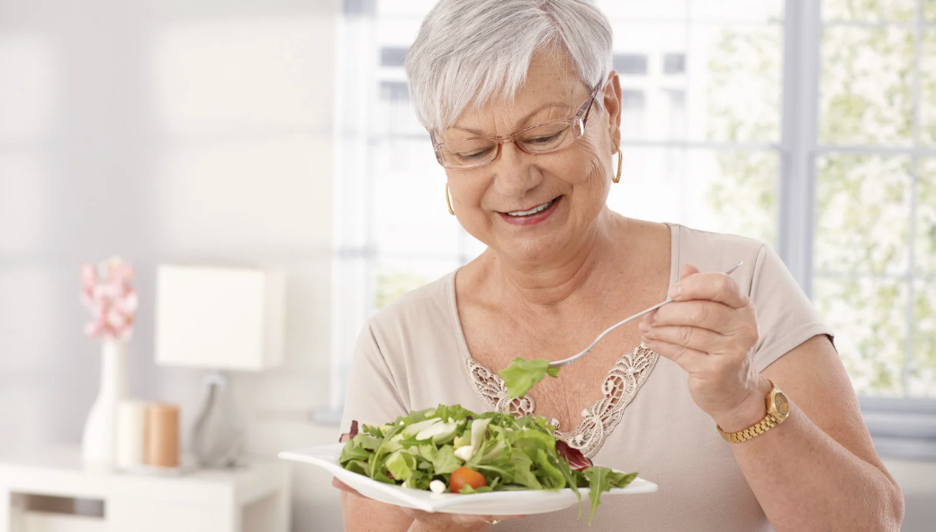
Aloha, our beloved kūpuna! You’re the heart of our ʻohana, carrying the stories and wisdom of Hawaii’s past while living your best life today.
At Kupuna Life, we know staying healthy and strong is key to enjoying all the beauty of our islands, whether it’s watching a sunset on Waikīkī or sharing moʻolelo with your grandkids on Maui. Good nutrition is like planting a strong kalo root: it keeps you grounded and growing. So, let’s talk about what to eat and what to skip to keep your body and spirit shining with aloha. These tips are simple, tailored for island life, and backed by our caregiving team to help you feel your best!
Why Nutrition Matters for Kūpuna
As we age, our bodies change, maybe digestion slows, or energy dips a bit. Eating the right foods can boost your strength, keep your heart happy, and help you manage things like diabetes or arthritis, which are common in Hawaii’s seniors. According to the Hawaii State Department of Health’s Executive Office on Aging (EOA), good nutrition can prevent hospital stays and help kūpuna stay independent at home. Plus, eating well is a way to care for yourself, so you can keep dancing hula or fishing off the North Shore. Let’s dive into some easy tips on what to eat and what to avoid, with a sprinkle of island flavor!
What to Eat: Fuel Your Body with Aloha
Here are some foods to fill your plate, inspired by Hawaii’s bounty and senior-friendly nutrition:
- Colorful Island Veggies and Fruits
Load up on local produce like taro, sweet potato, kale, and papaya. These are packed with vitamins, fiber, and antioxidants to keep your digestion smooth and your immune system strong. Try steamed kalo or a bowl of poi for gut health. Aim for half your plate to be veggies and fruits, as recommended by the EOA’s aging programs.- Pro Tip: Visit a farmers’ market (like KCC on Oʻahu) for fresh, affordable picks. Ask your caregiver to help chop or blend if chewing’s tough.
- Lean Proteins for Strength
Protein keeps your muscles strong, which is key for staying mobile. Go for fish like ahi or mahi-mahi (hello, omega-3s for heart health!), chicken, or tofu. Eggs are great too, easy to cook and gentle on the stomach. The Alzheimer’s Association suggests protein-rich foods to support brain health, especially for kūpuna with memory concerns.- Pro Tip: Try a poke bowl with small portions of fish and rice, or ask your caregiver for a simple laulau for a taste of tradition.
- Whole Grains for Energy
Swap white rice for brown rice or quinoa to keep your energy steady. Whole grains have fiber to help with digestion and keep blood sugar stable, a big deal for the 30% of Hawaii seniors managing diabetes.- Pro Tip: Mix brown rice with veggies for a hearty plate lunch that’s easy to prep with your caregiver’s help.
- Healthy Fats for Heart and Brain
Avocados, coconut (in moderation), and nuts like macadamia are great for your heart and brain. A little olive oil on your salad works too. These fats help with inflammation, which can ease arthritis pain.- Pro Tip: Drizzle olive oil over grilled fish or add a slice of avocado to your meal for a creamy, local touch.
- Stay Hydrated with Water and Herbal Teas
Hawaii’s warm weather means staying hydrated is a must. Water is best, but try coconut water or herbal teas like mamaki for a local twist. Aim for 6-8 glasses a day to keep your energy up and avoid dehydration, which the EOA notes can be a risk for kūpuna.- Pro Tip: Keep a water bottle nearby, and ask your caregiver to remind you to sip throughout the day.
What to Avoid: Keep These Off Your Plate
Some foods can make aging trickier, especially for kūpuna. Here’s what to steer clear of:
- Too Much Salt (Sodium)
High sodium can raise blood pressure, a concern for many Hawaii seniors. Skip salty snacks like Spam musubi (save it for special occasions!) and canned soups. Check labels, aim for less than 2,300 mg of sodium daily, per the Department of Health.- Pro Tip: Flavor food with local herbs like ginger or turmeric instead of shoyu.
- Sugary Treats and Drinks
Sweets like haupia or shave ice are tempting, but too much sugar can spike blood sugar and add pounds. Avoid sugary sodas or energy drinks, which can mess with diabetes or energy levels.- Pro Tip: Craving something sweet? Try fresh mango or a small piece of dark chocolate.
- Processed and Fried Foods
Fast food like plate lunch fried chicken or packaged snacks can clog arteries and tire you out. They’re often low in nutrients and high in bad fats.- Pro Tip: Ask your caregiver to prep a baked fish loco moco instead of fried for that island vibe.
- Excess Alcohol
A little wine or beer might be fine, but too much alcohol can mess with meds or balance, increasing fall risks. The VA Pacific Islands Health Care System warns that alcohol can also worsen dementia symptoms.- Pro Tip: Stick to one drink max, and pair it with food to stay steady.
A Little Help from Your ʻOhana
Eating well doesn’t have to be hard, and you don’t have to do it alone. Your caregivers at Kupuna Life are here to help, whether it’s planning meals, shopping at the Hilo farmers’ market, or cooking up a healthy lūʻau plate. If you’re curious about nutrition programs, check out the EOA’s Kūpuna Care services at hawaiiadrc.org or call 808-643-2372 for info on Meals on Wheels or dining sites. The Alzheimer’s Association Aloha Chapter (alz.org/hawaii, 808-591-2771) also has tips for brain-healthy diets.
Mahalo for Taking Care of Yourself
You deserve to feel strong, happy, and full of aloha, kūpuna! Eating these island-friendly foods and skipping the not-so-great stuff is a small step with big rewards. Share these tips with your ʻohana or caregiver, and let us know your favorite healthy dish, maybe a taro smoothie or a grilled ahi salad? We’re here to support you, so reach out to Kupuna Life if you need a hand making these changes. Keep thriving, and let’s keep the aloha flowing!
Mahalo nui,
The Kupuna Life Team